
Oral surgery plays an important role in maintaining your dental health, relieving pain, and restoring confidence in your smile. Whether you need wisdom teeth removal, dental implants, tooth extractions, bone grafting, or other advanced procedures, finding trusted oral surgery in Lynnwood can help you receive safe, comfortable, and effective treatment.
Modern dental technology and advanced surgical techniques have made oral surgery more precise and less invasive than ever before. Patients throughout Lynnwood can benefit from personalized treatment plans designed to improve both oral function and overall health.
What Is Oral Surgery?
Oral surgery refers to specialized dental procedures performed on the teeth, gums, jaw, and surrounding facial structures. These procedures are often necessary to treat infections, damaged teeth, jaw issues, missing teeth, and other complex dental conditions.
Oral surgery may be recommended when more conservative dental treatments cannot fully address the problem.
Common oral surgery procedures include:
- Wisdom teeth removal
- Tooth extractions
- Dental implants
- Bone grafting
- Corrective jaw surgery
- Treatment for oral infections
- Gum surgery
- Biopsies and lesion removal
- Sinus lift procedures
- TMJ treatment
Many patients in Lynnwood choose oral surgery to restore comfort, improve oral health, and prevent future complications.
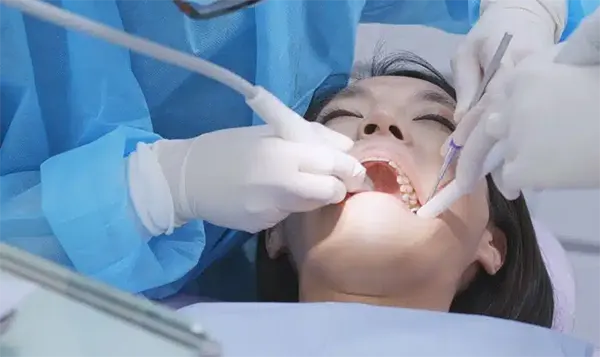
Common Reasons Patients Need Oral Surgery
There are several reasons why oral surgery may become necessary.
Impacted Wisdom Teeth
Wisdom teeth often do not have enough room to erupt properly. Impacted wisdom teeth can cause pain, swelling, infection, and crowding of surrounding teeth.
Severely Damaged Teeth
When a tooth is too damaged for a filling or crown, surgical extraction may be the best option.
Missing Teeth
Dental implants require oral surgery to place titanium implant posts into the jawbone.
Advanced Gum Disease
Severe periodontal disease can damage the gums and bone supporting the teeth, requiring surgical treatment.
Jaw Problems
Jaw misalignment, TMJ disorders, or facial trauma may require corrective oral surgery.
Bone Loss
Bone grafting procedures help rebuild the jawbone before dental implant placement.
Wisdom Teeth Removal in Lynnwood
Wisdom tooth extraction is one of the most common oral surgery procedures. Third molars typically emerge between the ages of 17 and 25, and many patients experience complications because there is insufficient space in the mouth.
Signs you may need wisdom teeth removal include:
- Jaw pain
- Swollen gums
- Difficulty opening the mouth
- Infection around the wisdom teeth
- Crowding of nearby teeth
- Headaches or facial discomfort
Removing impacted wisdom teeth early can help prevent infection, tooth damage, and alignment issues.
Tooth Extractions
Although dentists always try to save natural teeth whenever possible, extraction may sometimes be necessary.
Reasons for tooth extraction include:
- Severe decay
- Broken teeth beyond repair
- Advanced infection
- Gum disease
- Overcrowding
- Preparation for orthodontic treatment
Modern extraction procedures focus on patient comfort using local anesthesia and sedation options.
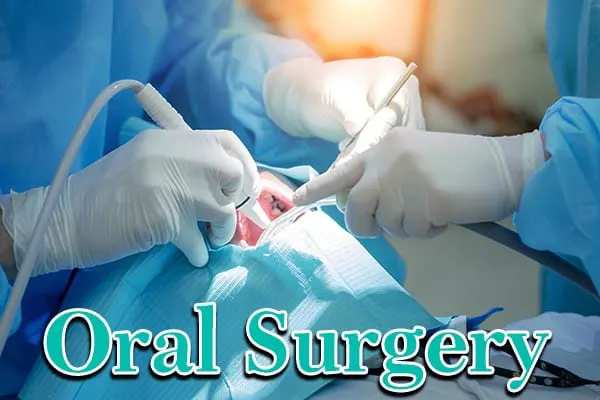
Dental Implants: A Permanent Tooth Replacement Solution
Dental implants are considered one of the best long-term solutions for replacing missing teeth.
An implant consists of:
- A titanium post placed into the jawbone
- An abutment connector
- A custom dental crown
Benefits of dental implants include:
- Natural appearance
- Improved chewing ability
- Jawbone preservation
- Long-lasting durability
- Prevention of bone loss
- Improved speech and confidence
Patients searching for oral surgery in Lynnwood often choose dental implants because they look and function like natural teeth.
Bone Grafting Procedures
Some patients lose bone density after tooth loss or periodontal disease. Bone grafting helps rebuild the jawbone to support dental implants and maintain facial structure.
Bone grafting may be recommended if:
- Teeth have been missing for a long time
- Bone loss is visible on X-rays
- The jaw is too weak for implants
- Gum disease has damaged the bone
Advanced grafting techniques help restore stability and improve implant success rates.
Sedation Dentistry for Oral Surgery
Dental anxiety prevents many people from seeking necessary treatment. Fortunately, many Lynnwood oral surgery providers offer sedation dentistry options to improve patient comfort.
Common sedation methods include:
Local Anesthesia
Numbs the treatment area while the patient remains awake.
Nitrous Oxide
Also known as laughing gas, nitrous oxide helps patients relax during treatment.
Oral Sedation
Medication taken before the procedure helps reduce anxiety.
IV Sedation
Provides deeper relaxation for more complex surgical procedures.
Sedation options help patients feel calm and comfortable throughout treatment.
What to Expect During Oral Surgery
The exact procedure depends on the type of treatment being performed, but most oral surgery appointments follow similar steps:
Consultation and Evaluation
Your dentist or oral surgeon will examine your mouth, review X-rays, and discuss treatment options.
Personalized Treatment Plan
A customized plan is created based on your oral health needs.
Surgical Procedure
Advanced technology and anesthesia techniques help ensure precise and comfortable treatment.
Recovery Instructions
After surgery, you will receive instructions for healing and pain management.
Recovery After Oral Surgery
Recovery times vary depending on the procedure performed. Most patients experience mild swelling and discomfort for a few days.
Helpful recovery tips include:
- Rest for the first 24 hours
- Use ice packs to reduce swelling
- Avoid smoking
- Eat soft foods
- Stay hydrated
- Follow all post-operative instructions
- Take prescribed medications as directed
Most patients recover successfully with proper aftercare.
Benefits of Choosing Oral Surgery in Lynnwood
Patients in Lynnwood benefit from modern dental facilities and experienced surgical professionals who focus on patient safety and comfort.
Advantages of local oral surgery care include:
- Advanced imaging technology
- Experienced oral surgeons
- Personalized treatment plans
- Sedation dentistry options
- Emergency dental care
- Convenient follow-up appointments
- Comprehensive restorative services
How Much Does Oral Surgery Cost?
The cost of oral surgery depends on several factors:
- Type of procedure
- Complexity of treatment
- Sedation requirements
- Insurance coverage
- Need for additional restorative care
Many dental offices in Lynnwood offer financing options and flexible payment plans to make treatment more affordable.
Why Early Treatment Matters
Delaying oral surgery can allow dental problems to worsen over time. Untreated infections, damaged teeth, or impacted wisdom teeth may lead to:
- Severe pain
- Tooth loss
- Bone deterioration
- Gum disease
- Difficulty eating
- Facial swelling
- More expensive treatment later
Seeking early care helps protect your long-term oral health.

Choosing the Right Oral Surgery Provider in Lynnwood
When selecting an oral surgery provider, consider factors such as:
- Experience and training
- Modern technology
- Patient reviews
- Sedation options
- Emergency availability
- Personalized care approach
An experienced oral surgery team can help ensure a smoother procedure and faster recovery.
Schedule Your Oral Surgery Consultation in Lynnwood
If you are experiencing tooth pain, jaw discomfort, missing teeth, or other dental concerns, oral surgery may provide the solution you need. Modern procedures are safer, more comfortable, and more effective than ever before.
Scheduling a consultation with a trusted oral surgery provider in Lynnwood can help you restore your oral health, relieve discomfort, and regain confidence in your smile.