
Cavities and minor tooth damage are common dental concerns that can affect both your oral health and confidence. Fortunately, modern dentistry offers durable and natural-looking solutions with composite white fillings. If you are searching for composite white fillings in Lynnwood, today’s dental treatments can restore damaged teeth while preserving the beauty of your smile.
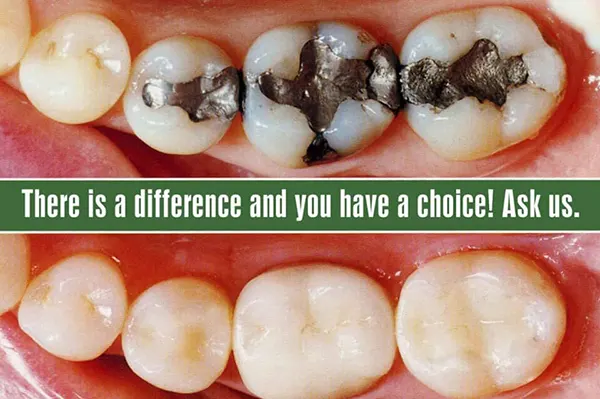
Composite fillings are designed to match the natural color of your teeth, making them an excellent alternative to traditional silver amalgam fillings. Patients throughout Lynnwood choose white fillings because they provide strength, aesthetics, and long-lasting protection against further tooth decay.
What Are Composite White Fillings?
Composite white fillings are tooth-colored restorations used to repair teeth affected by cavities, cracks, chips, or minor damage. These fillings are made from a durable resin material that bonds directly to the tooth structure.
Unlike traditional metal fillings, composite fillings blend naturally with your smile, making them virtually unnoticeable.
Dentists commonly use composite fillings to restore:
- Cavities
- Chipped teeth
- Cracked teeth
- Worn teeth
- Small gaps between teeth
- Cosmetic imperfections
Modern composite materials are highly durable and can withstand normal chewing forces while maintaining a natural appearance.
Why Cavities Should Be Treated Early
A cavity begins when bacteria and plaque damage the tooth enamel. Without treatment, decay can spread deeper into the tooth and eventually lead to:
- Tooth pain
- Sensitivity
- Infection
- Root canal treatment
- Tooth loss
Early treatment with composite fillings helps preserve healthy tooth structure and prevents more serious dental problems from developing.
Benefits of Composite White Fillings
Patients in Lynnwood often choose composite fillings because they offer both cosmetic and functional advantages.
Natural Appearance
Composite fillings are carefully color-matched to your natural teeth, creating a seamless appearance.
This makes them especially popular for visible teeth such as:
- Front teeth
- Premolars
- Smile-zone restorations
Strong Bonding to Teeth
Composite resin bonds directly to the tooth structure, helping strengthen and support the remaining tooth.
Mercury-Free Solution
Unlike amalgam fillings, composite fillings contain no mercury or metal materials.
Conservative Tooth Preparation
Composite fillings typically require less removal of healthy tooth structure compared to traditional metal fillings.
Versatile Dental Restoration
Composite materials can repair cavities as well as minor cosmetic concerns.
Reduced Sensitivity
Composite fillings may reduce temperature sensitivity commonly associated with metal fillings.
Common Signs You May Need a Filling
Many cavities develop without noticeable symptoms in the early stages. Common signs that may indicate the need for a filling include:
- Tooth sensitivity
- Pain when eating sweets
- Visible holes or dark spots
- Sharp pain while chewing
- Chipped or cracked teeth
- Food frequently getting stuck between teeth
Routine dental exams help detect cavities before they become larger and more painful.
The Composite Filling Procedure
Getting a composite white filling is typically quick, comfortable, and minimally invasive.
Step 1: Examination and Diagnosis
Your dentist examines the tooth and may take digital X-rays to evaluate the extent of decay or damage.
Step 2: Local Anesthesia
The area around the tooth is numbed to ensure comfort during treatment.
Step 3: Removal of Decay
The damaged or decayed portion of the tooth is carefully removed.
Step 4: Tooth Preparation
The tooth surface is cleaned and prepared for bonding.
Step 5: Placement of Composite Resin
The composite material is applied in layers and shaped to match the natural tooth contours.
Step 6: Curing and Polishing
A special curing light hardens the material, and the filling is polished for a smooth finish.
Most patients can return to normal activities immediately after treatment.
How Long Do Composite Fillings Last?
With proper care, composite white fillings can last many years.
The lifespan of a filling depends on factors such as:
- Oral hygiene habits
- Size of the filling
- Bite pressure
- Diet
- Teeth grinding habits
Regular dental checkups help monitor the condition of your fillings and overall oral health.
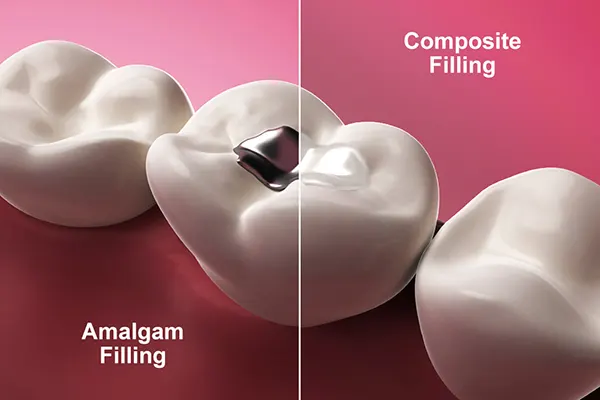
Composite Fillings vs. Silver Amalgam Fillings
Many patients today prefer composite fillings over traditional silver amalgam restorations.
Composite Filling Advantages
- Tooth-colored appearance
- Mercury-free
- Bonds directly to teeth
- More conservative preparation
- Better aesthetics
Amalgam Filling Advantages
- Historically durable
- Often less expensive initially
However, the cosmetic appearance of silver fillings often makes composite restorations the preferred option for modern patients.
Cosmetic Uses for Composite Bonding
In addition to treating cavities, composite resin can also improve the appearance of your smile through cosmetic bonding.
Composite bonding may correct:
- Small chips
- Minor gaps
- Uneven teeth
- Tooth discoloration
- Worn enamel
This minimally invasive treatment can enhance your smile quickly and affordably.
Preventing Future Cavities
Good oral hygiene habits can help reduce the risk of future decay and fillings.
Helpful preventive tips include:
- Brush twice daily with fluoride toothpaste
- Floss every day
- Limit sugary foods and drinks
- Visit your dentist regularly
- Use fluoride treatments if recommended
- Drink plenty of water
Preventive dental care helps protect both natural teeth and existing restorations.
Are Composite Fillings Safe?
Composite white fillings are considered safe and widely used in modern dentistry. The materials used are carefully tested for durability and biocompatibility.
Many patients prefer composite restorations because they are metal-free and designed to preserve more natural tooth structure.
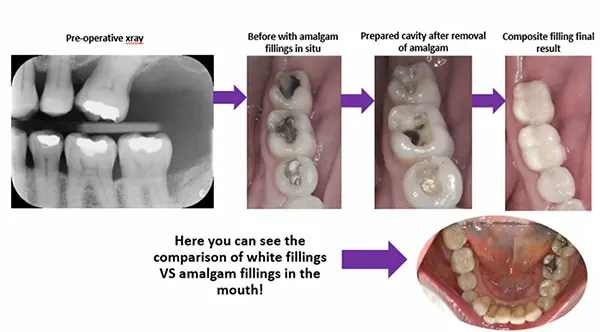
Replacing Old Metal Fillings
Some patients choose to replace older silver amalgam fillings with tooth-colored composite restorations for cosmetic or structural reasons.
Benefits of replacement may include:
- Improved appearance
- Reduced cracking risk
- Better tooth support
- Modernized restorations
Your dentist can evaluate whether replacing older fillings is appropriate for your situation.
Why Choose Composite White Fillings in Lynnwood?
Patients in Lynnwood benefit from advanced dental technology and experienced providers who focus on conservative, aesthetic dentistry.
Modern dental offices often provide:
- Digital X-rays
- Comfortable treatment techniques
- Tooth-colored restorations
- Personalized dental care
- Preventive dentistry services
- Cosmetic smile solutions
How Much Do Composite Fillings Cost?
The cost of composite white fillings depends on several factors, including:
- Size of the cavity
- Location of the tooth
- Number of fillings needed
- Insurance coverage
Many dental insurance plans help cover restorative fillings, and financing options may also be available.
Why Early Treatment Matters
Small cavities are easier and less expensive to treat than advanced decay. Delaying treatment may allow the cavity to worsen and lead to:
- Severe tooth pain
- Root canal therapy
- Dental crowns
- Tooth extraction
Early intervention helps preserve healthy tooth structure and reduce future dental costs.
Schedule Your Composite White Filling Appointment in Lynnwood
If you are experiencing tooth sensitivity, pain, or signs of decay, composite white fillings may help restore your oral health and smile appearance. Modern tooth-colored restorations provide durable, natural-looking results while protecting your teeth from further damage.
Scheduling a dental consultation in Lynnwood is the first step toward maintaining a healthier, stronger, and more beautiful smile.