
If you are dealing with severe tooth pain, swelling, or sensitivity to hot and cold foods, you may need root canal treatment. Modern root canal therapy is designed to relieve discomfort, remove infection, and save your natural tooth. Patients searching for “root canal treatments in Lynnwood” often discover that today’s procedures are faster, more comfortable, and more effective than ever before.
At trusted dental offices throughout Lynnwood, root canal therapy helps patients restore oral health while avoiding tooth extraction.
What Is a Root Canal Treatment?
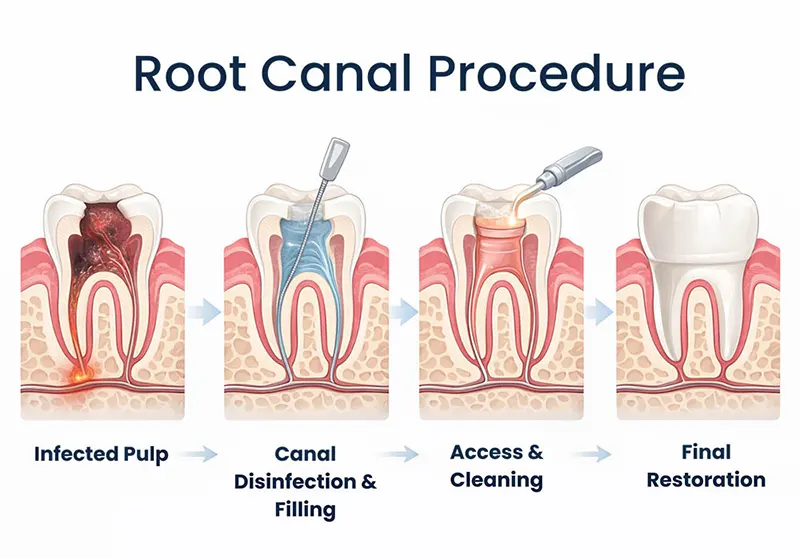
A root canal is a dental procedure that treats infection or inflammation inside the tooth. The soft tissue inside your tooth, known as the pulp, contains nerves and blood vessels. When bacteria reach the pulp because of deep decay, cracks, trauma, or repeated dental procedures, infection can develop and cause intense pain.
During root canal treatment, the infected pulp is removed, the inside of the tooth is cleaned and disinfected, and the tooth is sealed to prevent future infection.
 Signs You May Need a Root Canal
Many patients ignore early symptoms until the pain becomes severe. Common signs that may indicate you need root canal therapy include:
- Persistent toothache
- Sensitivity to hot or cold temperatures
- Swollen or tender gums
- Tooth discoloration
- Pain when chewing
- A bump or abscess on the gums
- Cracked or chipped teeth
- Lingering pain after eating sweets
In some cases, patients may not notice symptoms until the infection becomes advanced. Regular dental checkups are important for early diagnosis.
Common Causes of Tooth Infection
Root canal infections can happen for several reasons:
Deep Tooth Decay
Untreated cavities can spread deep into the tooth and reach the pulp, causing infection and inflammation.
Cracked or Broken Teeth
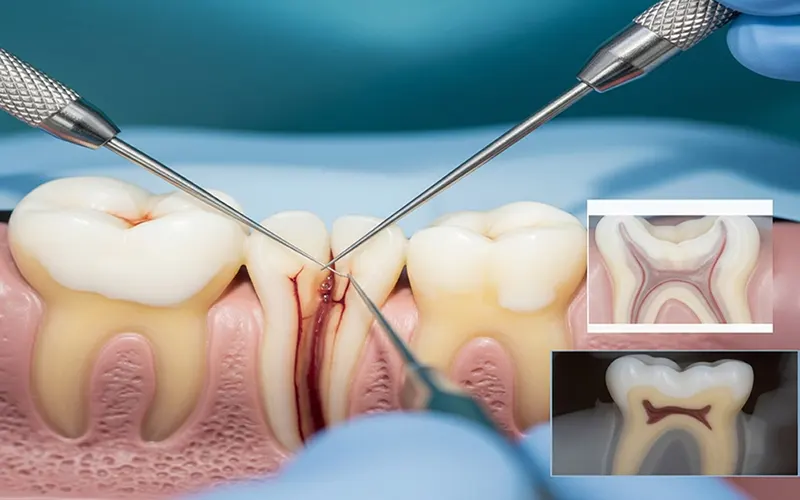
A fracture or crack can allow bacteria to enter the inner tooth structure.
Dental Trauma
Sports injuries, falls, or accidents may damage the pulp even if the tooth appears normal externally.
Repeated Dental Procedures
Multiple fillings or restorations on the same tooth can irritate the pulp over time.
What Happens During Root Canal Therapy?
Many people fear root canals because of outdated misconceptions. Modern root canal procedures are typically no more uncomfortable than getting a filling.
Here’s what you can expect during treatment:
1. Examination and X-Rays
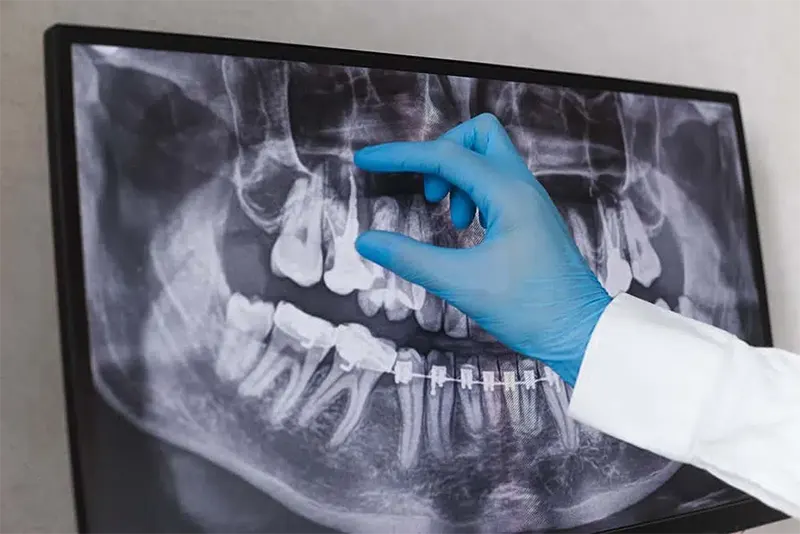
Your dentist will examine the affected tooth and take digital X-rays to evaluate the infection.
2. Local Anesthesia
The area is numbed to ensure comfort during the procedure.
3. Removal of Infected Tissue
A small opening is made in the tooth so the infected pulp can be removed carefully.
4. Cleaning and Disinfection
The root canals are shaped, cleaned, and disinfected to remove bacteria.
5. Sealing the Tooth
The canals are filled with a special material to prevent reinfection.
6. Crown Placement
Most teeth that receive root canal treatment require a dental crown for long-term protection and strength.
Is Root Canal Treatment Painful?
One of the biggest myths about root canals is that they are painful. In reality, root canal treatment is intended to eliminate pain caused by infection.
Modern anesthetics and advanced dental technology make the procedure comfortable for most patients. Many dental offices in Lynnwood also offer sedation options for anxious patients.
Benefits of Root Canal Treatment
Choosing root canal therapy offers several important benefits:
- Saves your natural tooth
- Stops infection from spreading
- Relieves severe tooth pain
- Restores normal chewing and biting
- Prevents jawbone deterioration
- Maintains your smile alignment
- Avoids more expensive tooth replacement procedures
Saving your natural tooth is usually the best long-term option for oral health.
Root Canal vs. Tooth Extraction
Some patients wonder whether it is better to pull the tooth instead of getting a root canal. While extraction may seem less expensive initially, replacing a missing tooth with a bridge or implant can cost significantly more over time.
Root canal therapy preserves your natural tooth structure and helps prevent shifting teeth, bite problems, and bone loss.
Recovery After a Root Canal
Most patients return to normal activities the same day. Mild soreness for a few days is common and can usually be managed with over-the-counter pain relief.
To ensure proper healing:
- Avoid chewing hard foods temporarily
- Brush and floss gently
- Attend follow-up appointments
- Get a permanent crown if recommended
With proper care, a treated tooth can last for many years or even a lifetime.
How Much Does a Root Canal Cost in Lynnwood?
The cost of root canal treatment depends on several factors, including:
- Which tooth requires treatment
- Severity of infection
- Whether a crown is needed
- Insurance coverage
- Specialist involvement
Many dental offices in Lynnwood offer flexible payment plans and accept major insurance providers.
Why Choose Root Canal Treatment in Lynnwood?
Patients in Lynnwood have access to experienced dentists and modern dental technology that make root canal procedures safer and more comfortable than ever.
Local dental practices provide:
- Digital imaging and diagnostics
- Gentle anesthesia techniques
- Sedation dentistry options
- Same-day emergency appointments
- Personalized treatment plans
Choosing an experienced Lynnwood dental provider can help ensure successful treatment and long-term oral health.
Preventing Future Root Canals
Good oral hygiene can reduce your risk of needing root canal treatment:
- Brush twice daily
- Floss every day
- Visit your dentist regularly
- Avoid excessive sugary foods
- Wear a mouthguard during sports
- Treat cavities early
Preventive dental care is the best way to protect your teeth from serious infection.
Schedule Your Root Canal Consultation in Lynnwood
If you are experiencing tooth pain, swelling, or sensitivity, do not wait for symptoms to worsen. Early treatment can save your tooth and prevent more serious dental problems.
A professional dental evaluation can determine whether root canal therapy is the right solution for restoring your oral health and relieving discomfort.